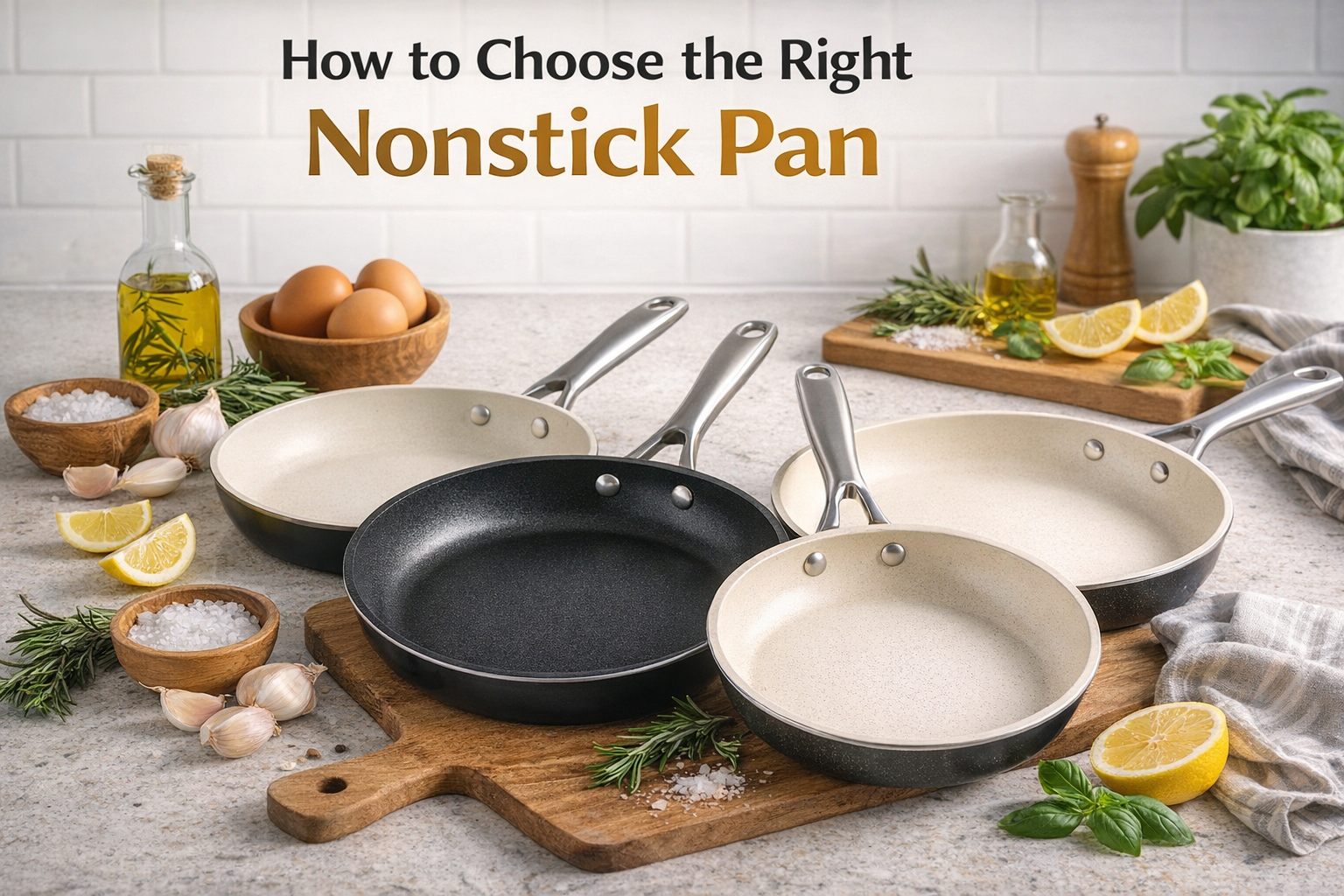
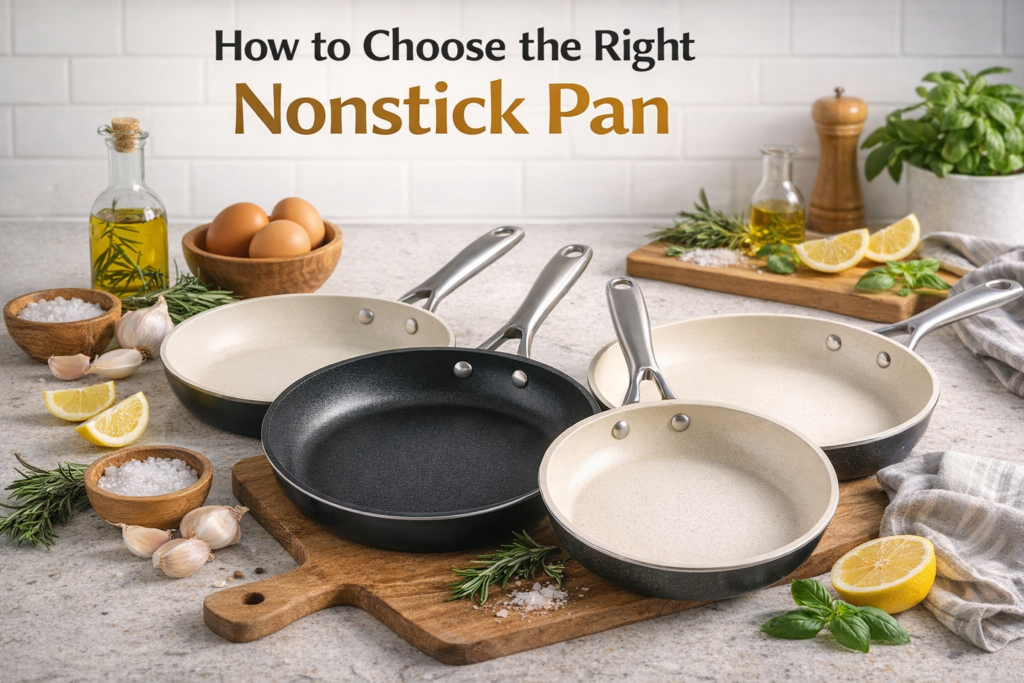
How to Choose the Right Nonstick Pan (Complete 2026 Buying Guide)
Choosing the right nonstick pan can completely change how you cook. From perfectly flipped eggs to evenly seared chicken, the right pan saves time, reduces oil use, and makes cleanup effortless.
But with so many options available — ceramic vs PTFE coatings, different sizes, induction compatibility, and varying price ranges — it’s easy to buy the wrong one.
In this complete 2026 guide, you’ll learn how to choose a nonstick pan based on your cooking style, stove type, budget, and durability expectations
PTFE (Traditional Nonstick)
PTFE-coated pans (often referred to as Teflon-style pans) are known for their superior food release and smooth cooking surface.
Best for:
- Eggs and pancakes
- Low-to-medium heat cooking
- Everyday quick meals
Pros:
- Extremely slick surface
- Requires very little oil
- Usually more affordable
Cons:
- Can degrade if overheated
- Scratches more easily if used with metal utensils
Ideal if you cook delicate foods frequently.
Ceramic Nonstick
Ceramic-coated pans use a silica-based coating instead of PTFE. They’re often marketed as eco-friendly alternatives.
Best for:
- Moderate heat cooking
- Health-conscious buyers
- Those avoiding traditional PTFE
Pros:
- PTFE-free
- More heat tolerant initially
- Attractive design
Cons:
- May lose nonstick performance faster
- Often slightly more expensive
deal if you prefer PTFE-free cookware.
So Which Should You Choose?
- For maximum nonstick performance → PTFE
- For PTFE-free cooking → Ceramic
- For longevity → Choose a reputable brand with thicker base construction
There is no universal “best” option — only the right choice for your cooking habits.
How to Choose the Right Nonstick Pan Size
Size matters more than most people think. Choosing the wrong diameter can lead to overcrowding food, uneven cooking, or wasted counter space.
Here’s a simple breakdown:
8-Inch Nonstick Pan
Best for: 1–2 people
Ideal for frying eggs, reheating leftovers, or making small portions.
10-Inch Nonstick Pan
Best for: Everyday cooking
The most versatile size. Perfect for omelets, sautéed vegetables, and small proteins.
12-Inch Nonstick Pan
Best for: Families
Great for cooking multiple chicken breasts, stir-fries, or one-pan meals without overcrowding.
Quick Tip
If you cook for more than 3 people regularly, skip the 8-inch. A 10-inch or 12-inch pan offers better flexibility and prevents steaming instead of searing.
Consider Your Stove Type
Before buying, check compatibility:
- Gas → Most pans work well
- Electric coil → Look for flat, thick base
- Induction → Must be labeled induction-compatible
Induction users especially need a magnetic stainless steel base — not all nonstick pans include this.
What to Look for in a High-Quality Nonstick Pan
Not all nonstick pans are built the same. Two pans may look identical online — but perform very differently in real kitchens.
Here’s what truly matters:
1. Base Thickness
A thicker base distributes heat more evenly and reduces hot spots. Thin pans heat quickly but often cook unevenly and warp over time.
Tip: Look for pans labeled “heavy-gauge aluminum” or multi-layer construction.
2. Heat Distribution
Even heat distribution prevents burning and ensures consistent browning.
Pans with aluminum cores or stainless steel bases typically perform better than ultra-light models.
3. Handle Construction
A secure, riveted handle is usually more durable than a welded one.
Also check:
- Is it oven-safe?
- Does it stay cool on stovetop?
- Is it comfortable to grip?
Comfort matters more than most buyers expect.
4. Oven Safety
Many nonstick pans are oven-safe only up to certain temperatures (often 350°F–500°F).
If you frequently finish dishes in the oven, always verify the maximum safe temperature before buying.
5. Durability of Coating
Even the best nonstick coating will eventually wear down.
To extend lifespan:
- Avoid metal utensils
- Don’t overheat the pan
- Hand wash instead of dishwashing (when possible)
Higher-quality brands typically use reinforced multi-layer coatings for longer performance.
Common Mistakes to Avoid When Choosing a Nonstick Pan
Even experienced home cooks sometimes buy the wrong pan. Avoid these common mistakes before making your final decision.
1. Choosing Based on Price Alone
Cheaper pans may look similar online, but ultra-thin aluminum bases can warp quickly and lose their coating faster.
Instead of focusing only on price, consider durability and base thickness.
2. Ignoring Stove Compatibility
Not all nonstick pans work on induction cooktops. Always check for induction compatibility if you use one — this is a common oversight.
3. Buying the Wrong Size
Many buyers choose smaller pans to save space, only to regret it later. Overcrowding food leads to steaming instead of proper browning.
If you cook for more than two people regularly, a 10-inch or 12-inch pan is usually the better choice.
4. Overheating the Pan
Nonstick coatings — especially PTFE — can degrade if exposed to very high heat for extended periods.
Medium heat is usually sufficient for most cooking tasks.
5. Using Metal Utensils
Metal tools can scratch and shorten the lifespan of the coating. Silicone, wood, or nylon utensils are safer options.
Quick Buying Checklist: Choosing the Right Nonstick Pan
Before clicking “Buy Now,” run through this checklist:
- ✔ Choose the right coating (PTFE vs Ceramic)
- ✔ Pick the correct size (8″, 10″, or 12″)
- ✔ Confirm stovetop compatibility (especially induction)
- ✔ Check base thickness and build quality
- ✔ Review oven-safe temperature limits
- ✔ Avoid ultra-cheap, thin aluminum models
Taking just a minute to verify these details can prevent years of frustration in the kitchen.
How to Choose the Right Nonstick Pan (Complete 2026 Buying Guide)
Why the Crock-Pot 7-Quart Oval Manual Slow Cooker Is One of Amazon’s Best Sellers in 2026
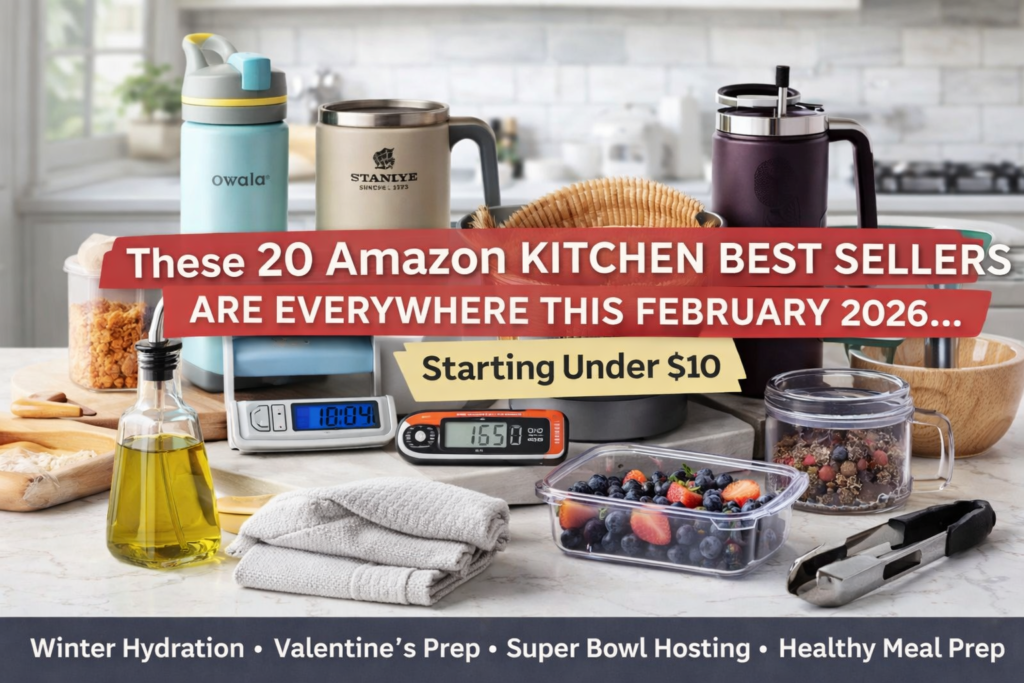
These 20 Amazon Kitchen Best Sellers Are Everywhere This February 2026 — Starting Under $10
Cosori TurboBlaze Air Fryer Review – 6-Qt 9-in-1 Tested – Is It Worth It in 2026?
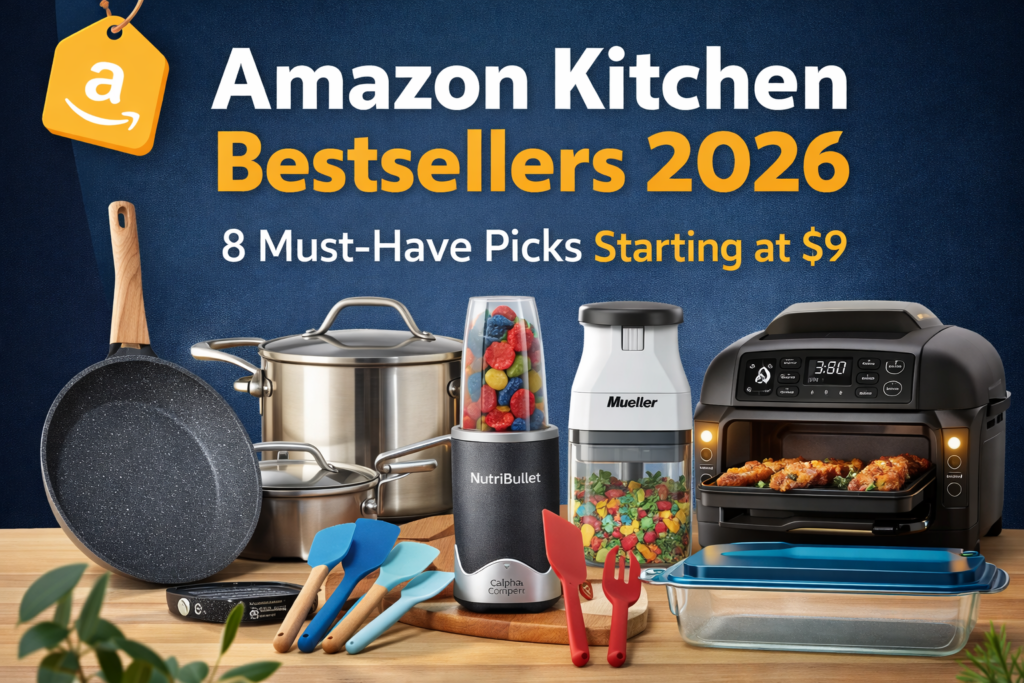
These Top Amazon Kitchen Bestsellers Are Flying Off the Shelves in 2026 — Starting at $9
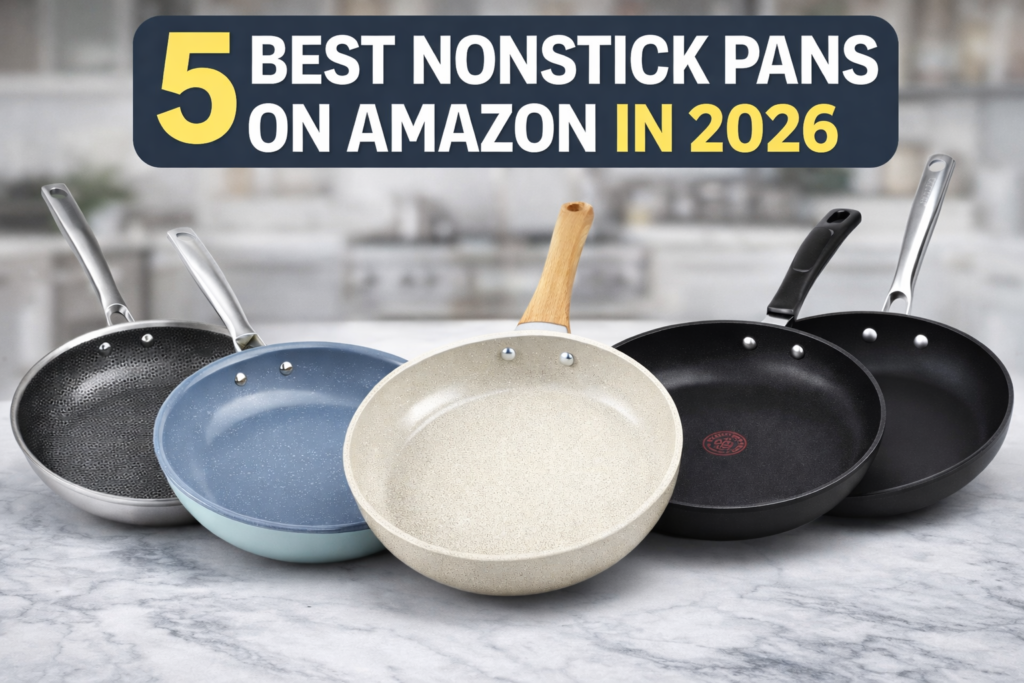
Best Nonstick Pans on Amazon (Top 5 Best Sellers in 2026)
Final Thoughts: What’s the Right Nonstick Pan for You?
The best nonstick pan isn’t necessarily the most expensive — it’s the one that matches how you cook.
If you cook delicate foods like eggs and pancakes daily, performance matters most.
If you prioritize eco-friendly materials, ceramic may be your preference.
If you cook for a family, size and durability should be your top concerns.
By understanding coatings, construction, and compatibility, you can confidently choose a pan that performs well and lasts longer.
Recommended Nonstick Pan Reviews
If you’re ready to explore top-rated options, check out our detailed guides:
- Best Nonstick Pans on Amazon
- Top Ceramic Nonstick Pans
- Best Nonstick Pans for Induction Cooktops